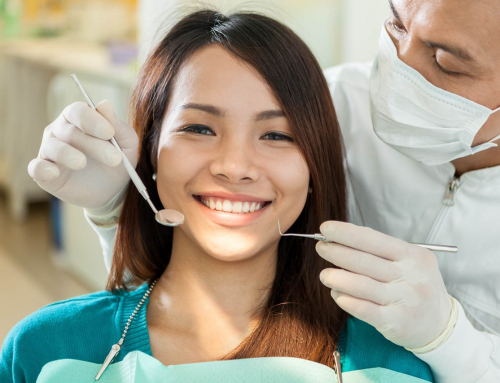
The covid-19 pandemic is stressful and is the root cause of anxiety and fear these days. Recently, health professionals have noticed a significant increase in the number of people who complain of jaw pain caused by jaw clenching. Jaw clenching or teeth grinding is known as bruxism in the medical language. It is chronic teeth grinding or jaw clenching, which mainly occurs at night. There has been a significant rise in the cases of bruxism in the last year. This can be attributed to the fact that everyone is stressed about their health, the virus, loss and alteration of work, and not meeting friends and family because of the lockdown.
One of the most significant reasons for the development of bruxism is stress. Teeth clenching usually occurs at night; this means that the person suffering from such a condition may not even be aware of this activity. Chronic teeth grinding rapidly deteriorates the tooth structure. The friction generated when the upper and lower teeth clench against each other rapidly wears down the enamel of the teeth. Once enamel wears down, the tooth’s nerves are at a greater risk of exposure, which can lead to pain and sensitivity. It also weakens the tooth structure. Various dental procedures are offered at our clinic, which can help you manage chronic activity. Apart from dental intervention, proper stress management is also crucial for managing bruxism and temporomandibular disorders.
Repercussions Of Temporomandibular Disorders (TMD)
The jaw joint or the temporomandibular joint is the name given to the joint located in front of the ear. It is one of the most complex joints in the human body. This joint helps connect the lower jaw to the skull (temporal bone), and many muscles and ligaments are attached to this joint which facilitates its movement. It is the intricacy of the jaw joint which makes chewing, swallowing and speaking possible. It also makes the forward, backward and side-to-side movement possible. If any component of the jaw joint starts misfunctioning, it leads to temporomandibular disorders (TMD).
The most common and initial symptom of temporomandibular disorders is pain and soreness, which involves the jaw, the area in front of the ears and can even radiate to the neck. This can also lead to headaches, and temples are the region primarily involved. People suffering from TMD may also feel a grinding sensation when they try to open their mouth wide or yawn. A clicking sound often accompanies this grinding sensation.
Treatment For TMD At Our Clinic
Our dentists use various approaches to treat TMD and Bruxism during the covid-19 pandemic. Our dentist will carry out a complete examination during which they may also take some x-rays. After this, they will create a dental treatment plan for you for managing this disease. Dental procedures for TMD and Bruxism offered at our clinic are:
Nightguards – Night guards are used to keep the upper and lower teeth separate. This way, they are safe from further damage. Nightguards are custom-made for everyone to ensure a firm fit. They are usually manufactured using clear and soft medical-grade plastic. Although night guards prevent further damage, they are not a cure.
A sports mouth appliance is proven to be exceptionally useful to manage bruxism and temporomandibular disorders in patients who grind their teeth while playing sports or performing intense physical activity.
Pain medications and muscle relaxants may be prescribed for a short time to manage the pain.
In addition to these dental procedures, our dentist may also refer you to a physiotherapist for further management and pain reduction in cases of TMD. Seeking the help of a therapist for stress management is vital for the proper resolution of bruxism and TMD.
If you happen to suffer from any of these symptoms of TMD, you can get in touch with us and visit our dental clinic to consult our dentist for a thorough diagnosis and treatment.
DISCLAIMER: The advice offered is intended to be informational only and generic in nature. It is in no way offering a definitive diagnosis or specific treatment recommendations for your particular situation. Any advice offered is no substitute for proper evaluation and care by a qualified dentist.