Thanks for visiting our blog! At Kitchener Dentist Centre, we really care about your oral health and want to give you the best tips to keep your smile bright. This post will discuss why flossing every day is so important and how this easy habit can improve your oral health. This is why flossing should be an important part of your daily practice.
Understanding Flossing
What is Flossing?
You’re flossing when you use dental floss to clean between your teeth. This removes bits of food and bacteria that your toothbrush might miss. Different kinds of dental flosses include waxed, unwaxed, flavoured, and dental tape. You can pick the one that works best for you because each type has its own pros.
The Health Advantages of Flossing
Preventing Gum Disease
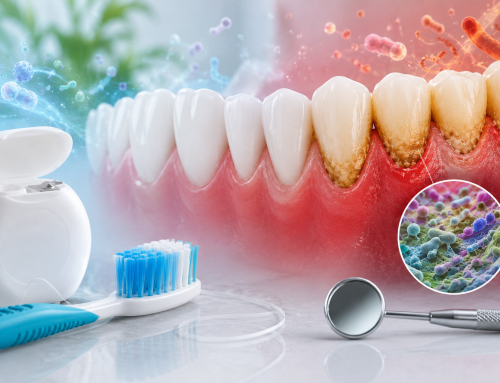
One of the best things about brushing is that it can help keep gum disease away. When you clean, you get rid of plaque between your teeth and along the gum line. A film of germs called plaque forms on your teeth and can cause gum disease if it is not taken care of properly. By flossing daily, you lower your chances of getting gingivitis (early-stage gum disease) and periodontitis (advanced gum disease).
Reducing the Risk of Cavities
Tooth decay often occurs in spaces between teeth that your toothbrush can’t reach. Flossing cleans these hard-to-reach spots by removing food bits and plaque that can lead to cavities. Daily flossing is a good way to keep your teeth healthy and avoid cavities.
Keeping Your Breath Fresh
When you floss, you can get rid of bad breath. Germs can grow when food gets stuck between your teeth, which can make your breath smell bad. By flossing every day, you remove these stuck particles and kill germs, making your breath smell better.
The Correct Way to Floss
Step-by-Step Guide to Flossing
For flossing to work, you have to do it the right way. To help you, here is a step-by-step guide:
- Take 18 inches of dental floss and wrap most of it around each middle finger, leaving about an inch or two extra.
- Put your thumbs and forefingers together and hold the floss tight.
- Use a light, moving motion to slide the floss between your teeth. Do not snap the floss into your gums.
- When the floss reaches the gum line, form a C-shape against one tooth. It should be able to fit between the gum and the tooth.
- Stick the floss close to the tooth. Gently rub the side of the tooth, moving the floss up and down to move it away from the gum.
- Do this again with your other teeth. Remember to brush the back of your last tooth.
Tools to Help with Flossing
There are some tools that can make flossing easy, especially if you find regular floss hard to use. You can use floss picks, water flossers, or interdental brushes to clean between your teeth. When you’re on the go, floss picks are great. Water flossers, on the other hand, use a stream of water to clean between your teeth. Interdental brushes are small brushes designed to clean between your teeth. People with braces or bigger gaps between their teeth can benefit the most from these brushes.
How to Floss for Different Ages
How to Floss for Kids
Children should start brushing when they are very young. You should start by brushing your child’s teeth for them and then slowly show them how to do it on their own. You can make it more fun by using flavoured floss or a song while you clip. This helps you maintain good oral health for life.
How to Floss for Adults
Adults have different mouth health needs. It’s important to adjust your flossing routine to fit your needs. Waxed floss might work better if the areas between your teeth aren’t very big. If you have braces, bridges, or other dental work, you might find it easier to clean between your teeth with a water flosser or an interdental brush.
How to Floss for Seniors
Some problems seniors may face include losing their dexterity or having oral appliances that make flossing hard. Some floss holders are designed to make flossing easier, and water flossers can gently but effectively clean your teeth. Sticking to good flossing habits is important for keeping your gums and teeth healthy.
Integrating Flossing into Your Daily Routine
Making Flossing a Habit
You might find it hard to start flossing daily, but with a few tips, you can make it a habit. As a warning, keep your floss close to your toothbrush. Floss at the same time every day, like before bed or in the morning. It’s even possible to set your phone to remind you to floss.
Overcoming Flossing Challenges
People often give reasons like “I don’t have time” or “It’s too hard” for not brushing. But getting through these problems is important for your oral health. To make brushing fun, do it while watching TV or listening to music. Remember that flossing for just a few minutes a day can save you a lot of money on more expensive dental work.
Additional Resources
FAQ Section
Want to know more about flossing? We know the answers! Here are some questions and worries that people often have:
How often should I floss?
- You should floss every day if possible.
Can flossing damage my gums?
- If you floss correctly, it shouldn’t hurt your gums. If you feel pain or blood while flossing, you may be doing it wrong or too hard.
What if I have braces?
- You can clean around braces and other oral appliances better with a water flosser or an interdental brush.
Remember that you must take care of your mouth health for the rest of your life. Start flossing right away, and enjoy having a cleaner, healthier mouth!
Conclusion
Flossing every day is an easy but effective way to keep your teeth and gums healthy. It also lowers your chance of cavities and keeps your breath fresh. If you floss properly and daily, you can enjoy all the benefits of a healthy smile.
The team at Kitchener Dentist Centre is here to help you keep your teeth clean. Feel free to call us at 519-578-7830 or make an appointment if you have any questions or need specialized help. We care about your smile!
DISCLAIMER: The advice offered is intended to be informational only and generic in nature. It is in no way offering a definitive diagnosis or specific treatment recommendations for your particular situation. Any advice offered is no substitute for proper evaluation and care by a qualified dentist.