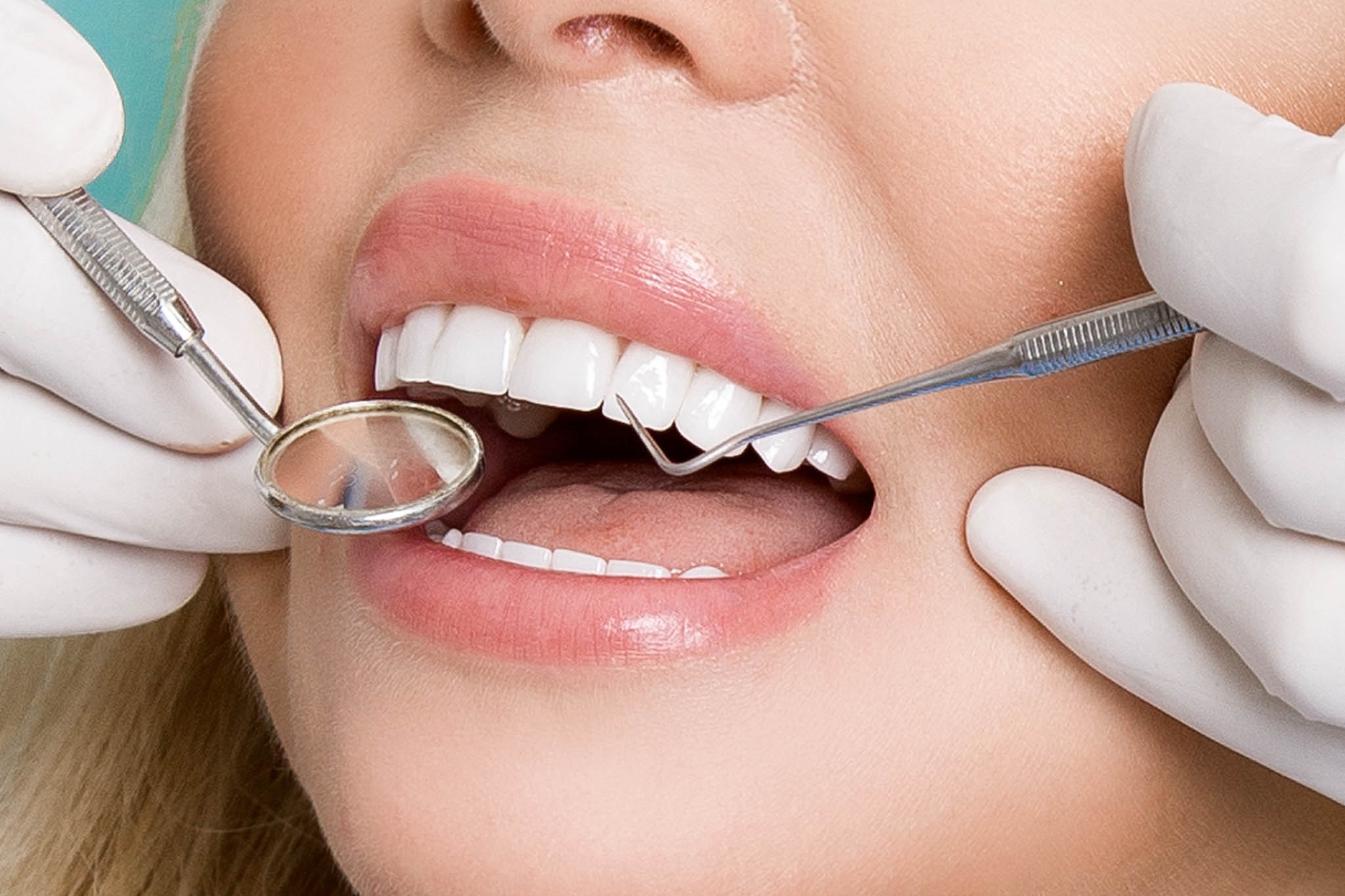
As you are probably aware, you should visit your dentist at least twice annually so that your oral health is maintained, along with your impressive smile. Dental cleanings are a routine aspect of proper oral hygiene, involving plaque removal from the surfaces of teeth that cannot be reached by your toothbrush or dental floss.
You should be arranging to have dental cleanings reoccur every six months, although you may require more frequent visits if you have ongoing oral health concerns. There are actually three types of dental cleanings. Let’s take a look at each of them so that you know why they are necessary and what to expect if you need one.
1. Normal Dental Cleaning
This is a routine type of dental cleaning for preventative care. It is for those who are not currently dealing with periodontal disease, commonly known as gum disease. It should occur every six months, taking place alongside your regular dental checkups.
Professional dental cleaning is the only way to remove an accumulation of plaque and tartar on your teeth and around the gums. If allowed to remain there, a damaging environment is created that harms your gum tissue and eventually the bones supporting your teeth.
So a normal dental cleaning appointment simply involves the removal of plaque and tartar by your dental hygienist who will use specialized dental tools to complete this important task.
2. Periodontal Maintenance
A periodontal maintenance treatment is somewhat similar to normal dental cleaning. However, it is a deeper type of cleaning that involves both removal of plaque and tartar, and scaling and root planing in the areas between your gums and teeth.
At this type of appointment, your dentist will be examining and measuring gum pockets to spot signs of inflammation so that discomfort, infection, and disease can be prevented.
3. Full Mouth Debridement
A full mouth debridement dental cleaning is for those with existing periodontal disease. It is normally called for whenever you have not visited the dentist for a long period of time, resulting in an extreme accumulation of plaque and tartar. There can be so much of this material that it prevents a normal dental cleaning or dental exam.
To remove the accumulated plaque and tartar from your teeth, your dentist or hygienist will use specialized dental tools. An ultrasonic device or laser may be employed for this purpose. You may also need to have a scaling and root planing treatment performed.
If you have any questions or if you would like to book an appointment contact us today.
DISCLAIMER: The advice offered is intended to be informational only and generic in nature. It is in no way offering a definitive diagnosis or specific treatment recommendations for your particular situation. Any advice offered is no substitute for proper evaluation and care by a qualified dentist.